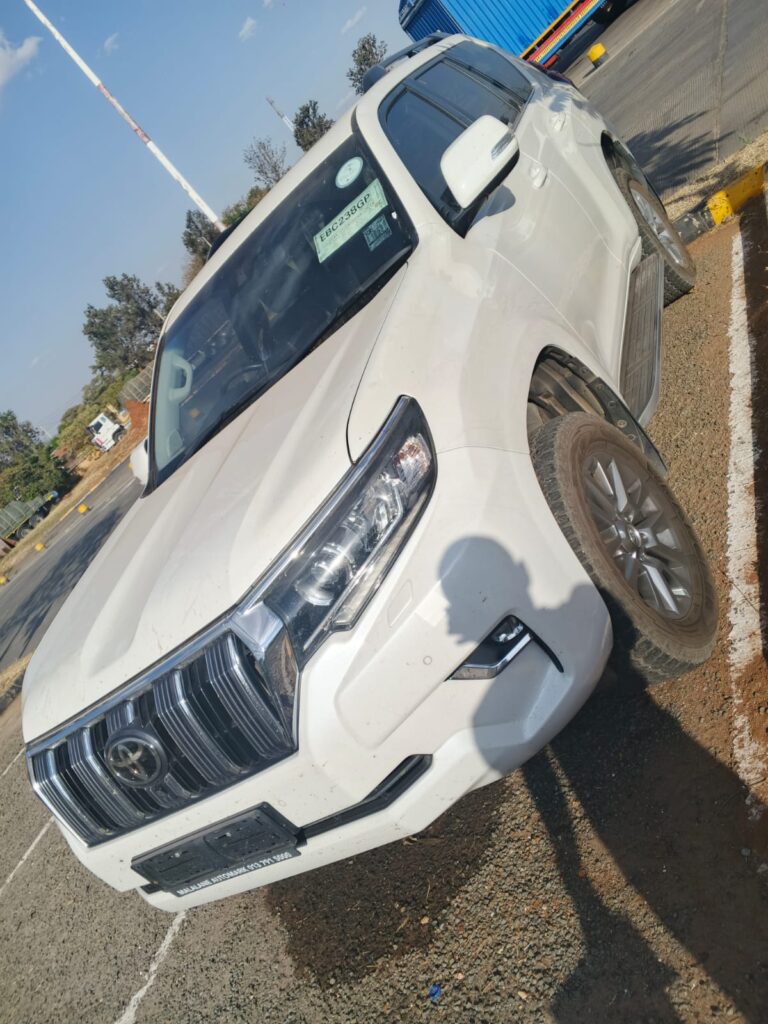
Step-by-Step Guide to Buying a Car in Kenya: From Import to Registration
Buying a car in Kenya can feel overwhelming, especially if it’s your first time. From deciding whether to import or buy locally to handling the paperwork for registration, the process involves several steps that you need to understand clearly. This guide breaks down the journey into simple stages to help you make informed decisions and avoid common mistakes.
Step 1: Decide Whether to Import or Buy Locally
The first decision you’ll face is whether to import a vehicle or purchase one from a local dealership. Importing, usually from countries like Japan, often provides more affordable prices and a wider selection of vehicles. However, it comes with additional costs like shipping, import duty, and inspection fees. Buying locally, on the other hand, may be more expensive, but the process is faster since the car is already in Kenya.
Step 2: Budget for the Full Cost
When buying a car in Kenya, it’s important to factor in more than just the purchase price. Other costs include import duty, excise duty, VAT, registration fees, insurance, and, in some cases, inspection charges. Many buyers underestimate these extra costs and end up stretching their budgets. Make sure you calculate the landed cost if importing a car to avoid surprises.
Step 3: Vehicle Inspection and Verification
Kenya has strict standards on imported vehicles. The Kenya Bureau of Standards (KEBS) requires cars to undergo roadworthiness inspection before shipping. Locally, the National Transport and Safety Authority (NTSA) provides services to verify a vehicle’s authenticity, ownership, and accident history. Always confirm details through the NTSA portal to avoid fraud.
Step 4: Shipping and Clearing at the Port
If you decide to import, your vehicle will usually arrive through the Port of Mombasa. Clearing agents help handle customs paperwork, duty payments, and clearance processes. It’s advisable to work with a trusted agent to ensure your car clears smoothly. After clearance, the vehicle can be transported to your preferred location.
Step 5: Registration with NTSA
Before your car can legally be driven on Kenyan roads, it must be registered. NTSA handles registration and issues a logbook, number plates, and other documents. This process involves paying registration fees and road tax. Ensure the logbook is issued in your name to avoid ownership disputes later.
Step 6: Insurance
Car insurance is mandatory in Kenya. You can choose between third-party and comprehensive cover, depending on your budget and needs. Comprehensive insurance provides broader protection, including damage to your car, while third-party only covers damage caused to others.
Step 7: Final Checks and Driving Away
Before taking your car on the road, check essential items like spare tires, service history, and fuel efficiency. Also, ensure all documents—import papers, logbook, and insurance—are safely stored. Once everything is in order, you’re ready to drive away and enjoy your new vehicle.
Final Thoughts
Buying a car in Kenya is a structured process that becomes easier when you understand each step. Whether you import or buy locally, working with trusted dealers, agents, and NTSA services will save you time and money. With the right planning, you can own your dream car stress-free.